Banner
/babarlogo5.jpg
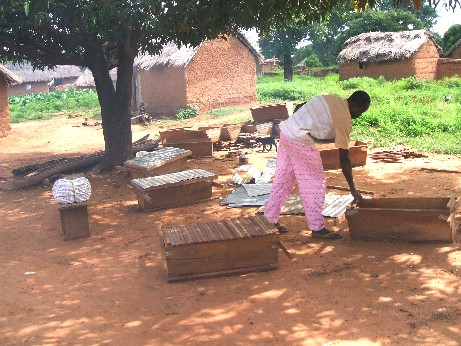
mognori_hive_roofs.jpg
donate2.jpg
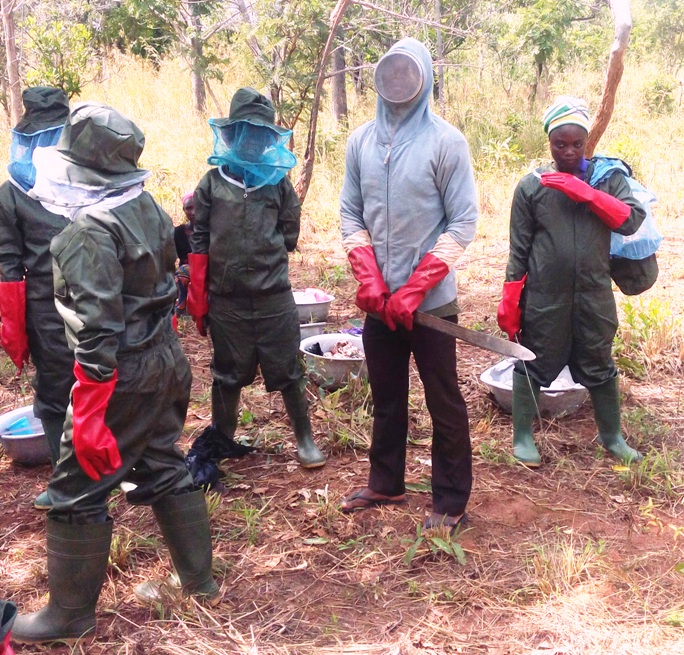
20180215seidu_traing.jp
/training_resources.jpg
bees_chasing_elephant.gif

bees for babar index

guiding principles

donation options

photos and background

publications and resources

videos
mognori_hive_roofs.jpg
holy_mole_label2.jpg
2025-10-15_9_good_refurbishing_apiary
beekeeping_equipment_concrete_hive3.jpg
animals_elephant_2.jpg
/bee_field_bees_at_hive_entrance_Kawan_Kura_2.jpg
Bees for Babar beeginnings photos
Bees for Babar results photos
Bees for Babar update photos
hive designs using alternatives to wood
elephants of Mole photos
bees of Mognori photos


BfB logo
donate now
•
donation options  
•
bees for babar index  
•
guiding principles  
•
photos and background  
•
publications and resources  
•
videos  
Bees for Babar / Natural Partners Initiative
SheKeeper Program Ghana
2026 Harvest Season Update
Tamale Area & Yama (North East Region) — April through July 2026
 

HarvestTraining and Payments

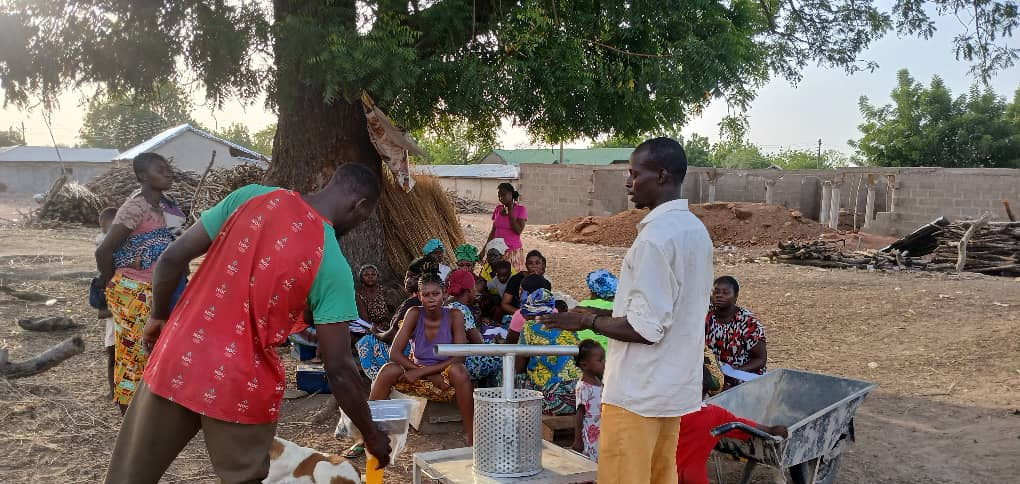
Field experts Mohammed Ali Ibrahim and Abdulai Abdul Rashid conducted follow-up training and monitoring visits across communities in the Tamale area and the Yama area of Northern Ghana's North East Region. The approach centred on experiential learning — inviting Community Beekeeping Trainers (CBTs) to work hands-on in the new processing facilities using their existing knowledge, then providing structured feedback that celebrated good practice and innovative thinking while identifying areas for improvement.


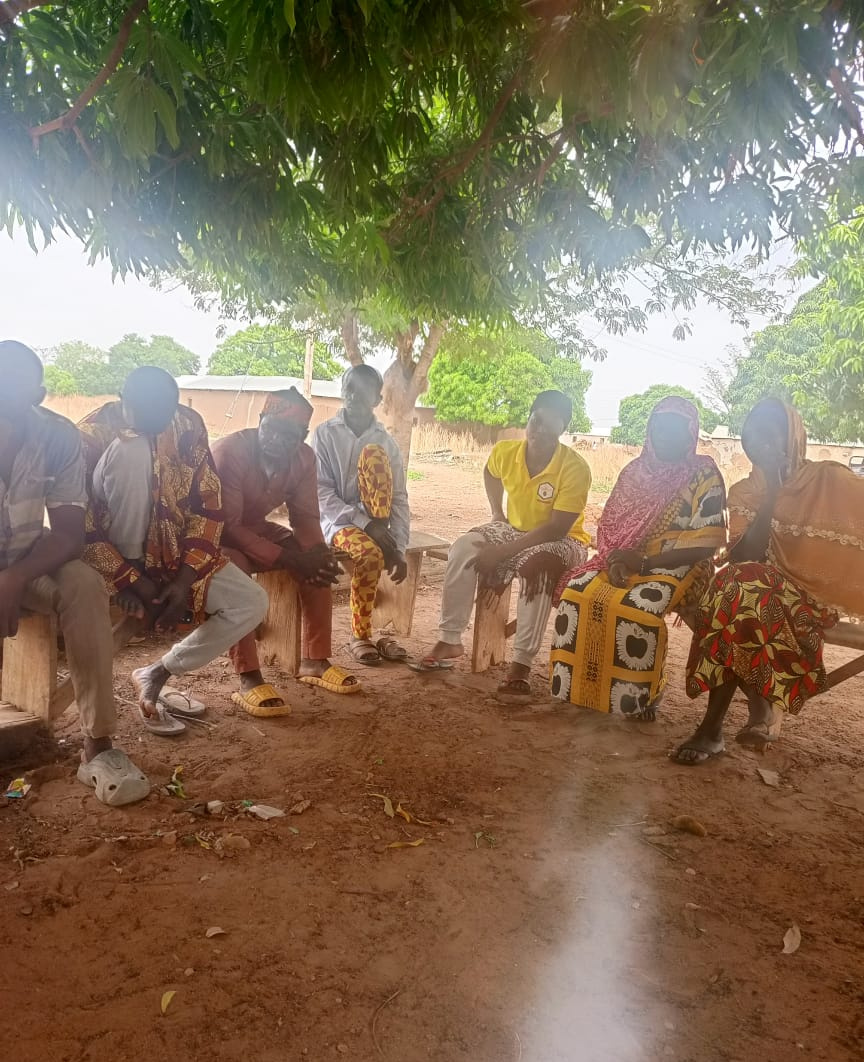
CBTs in training circle discussion, Yama area Workshop session with CBTs
CBTs gather for structured feedback session — a hallmark of the SheKeeper experiential learning model.
Workshop session with CBTs
2026-04-19_community_beekeeping_training.jpg
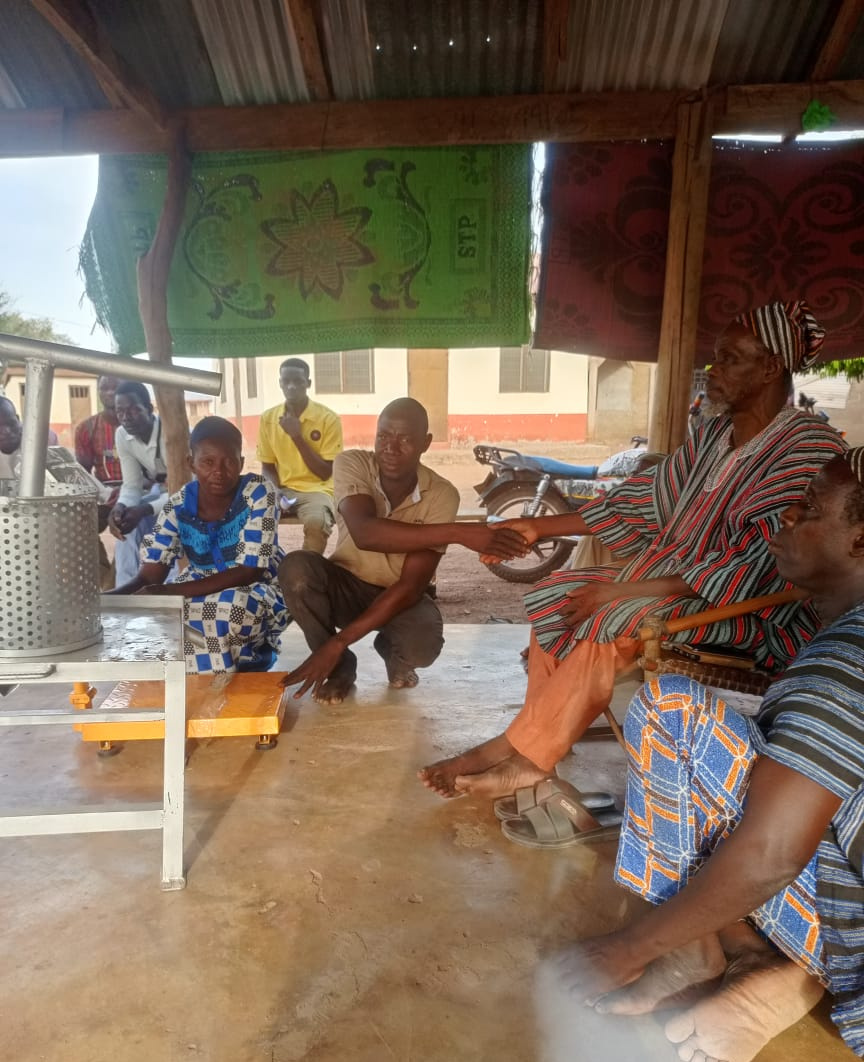
CBTs from multiple communities together for honeycomb press training
 
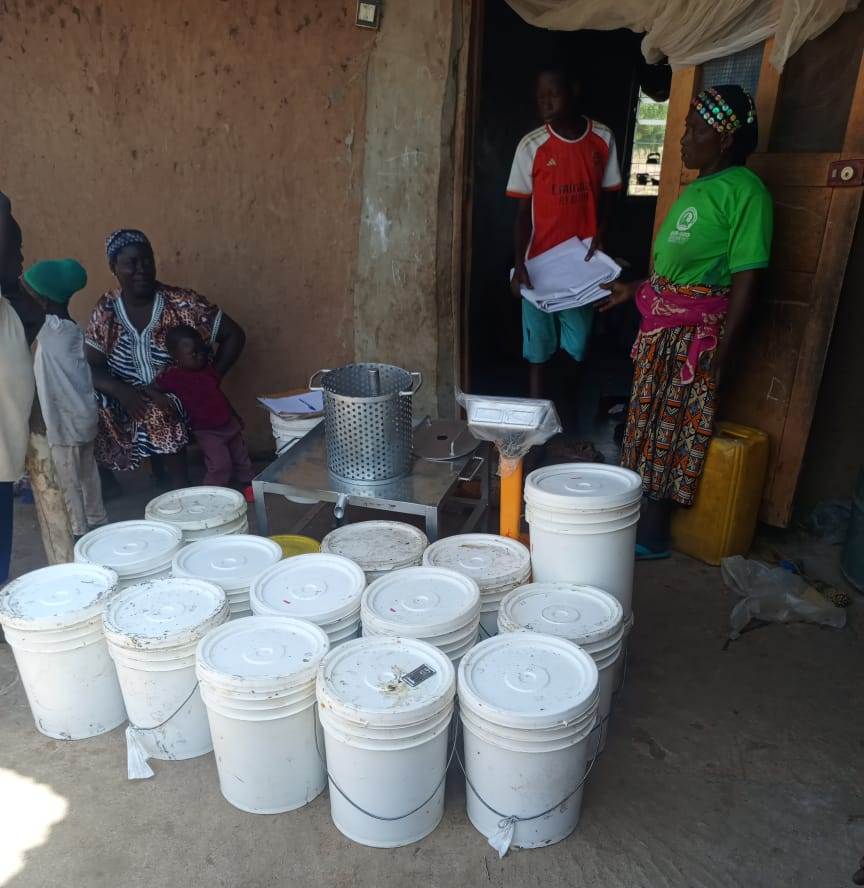
2026-04-06_040017_honey_buckets_equipment_distribution.jpg 2026-04-01_085522_honey_processing_demonstration.jpg
CBTs from multiple communities together for honeycomb press training
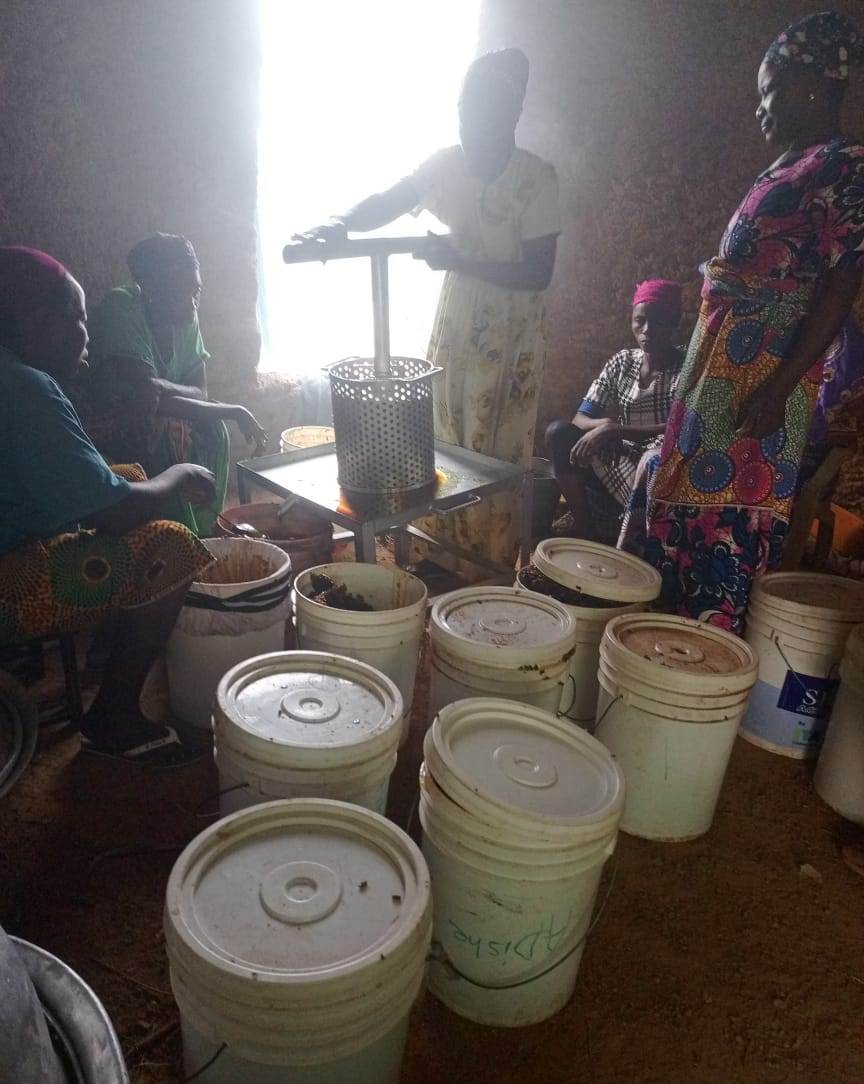
Project participants press honey during processing training
 
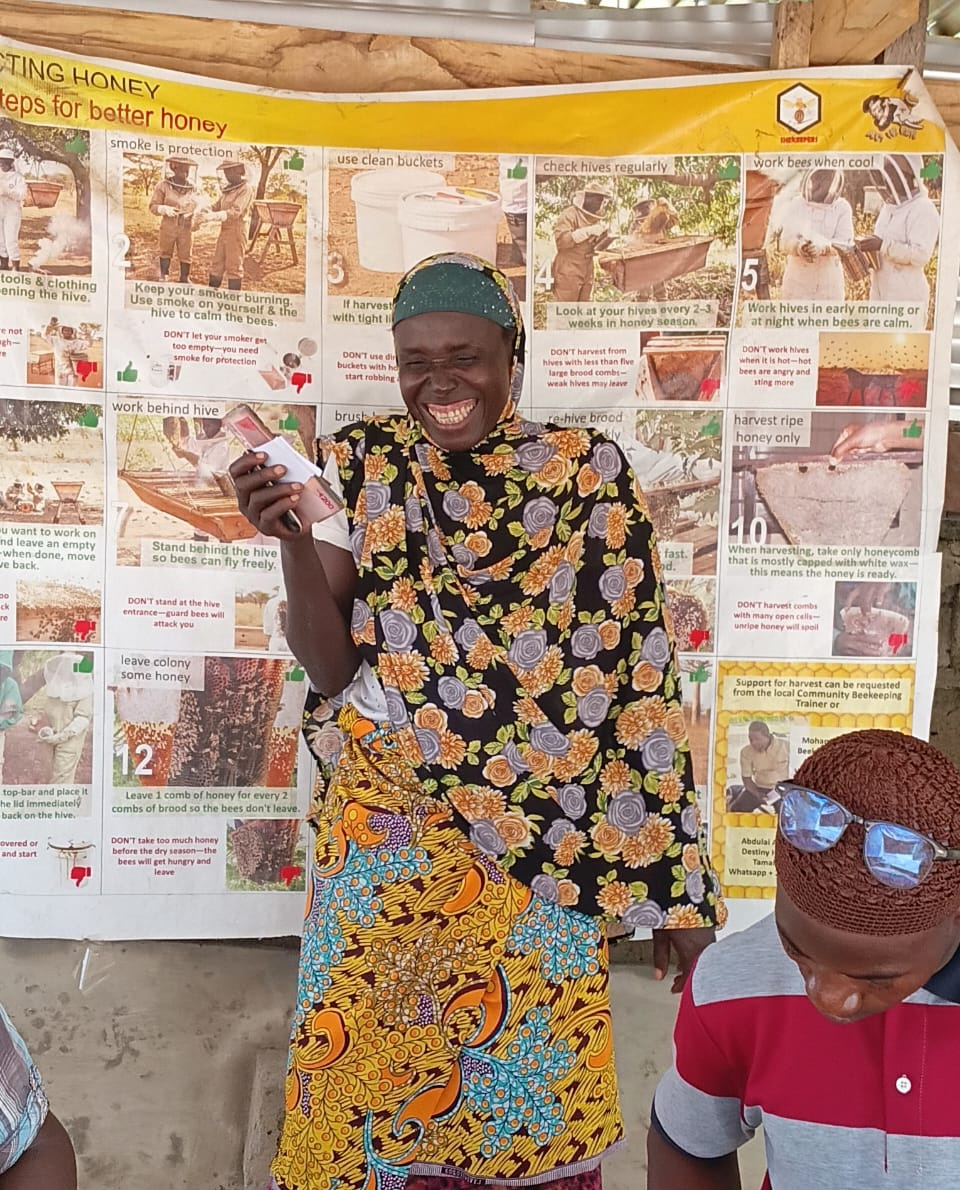
2026-06-25_beekeeping_training_poster_presentation.jpg
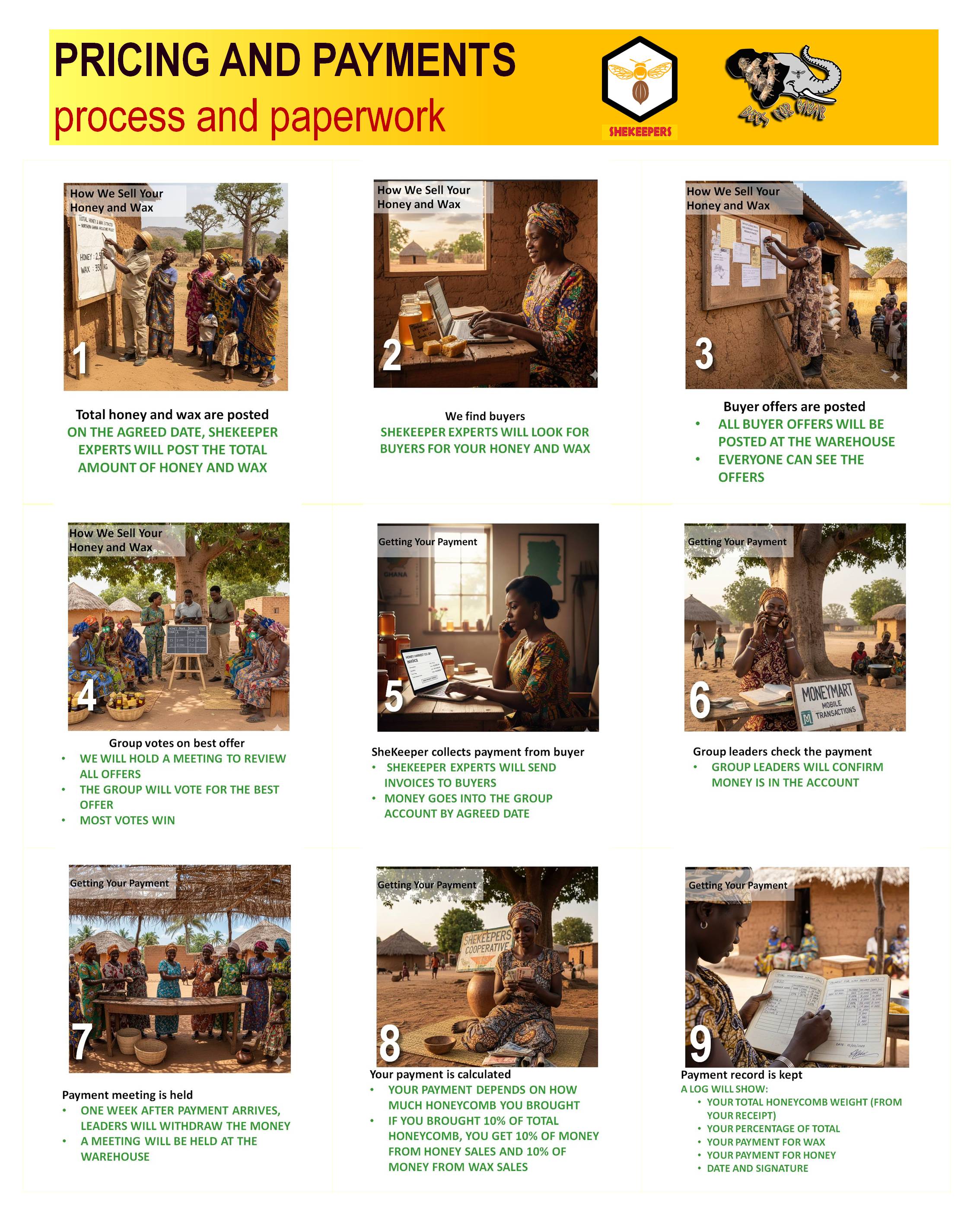
              pricing_payments_poster.jpg
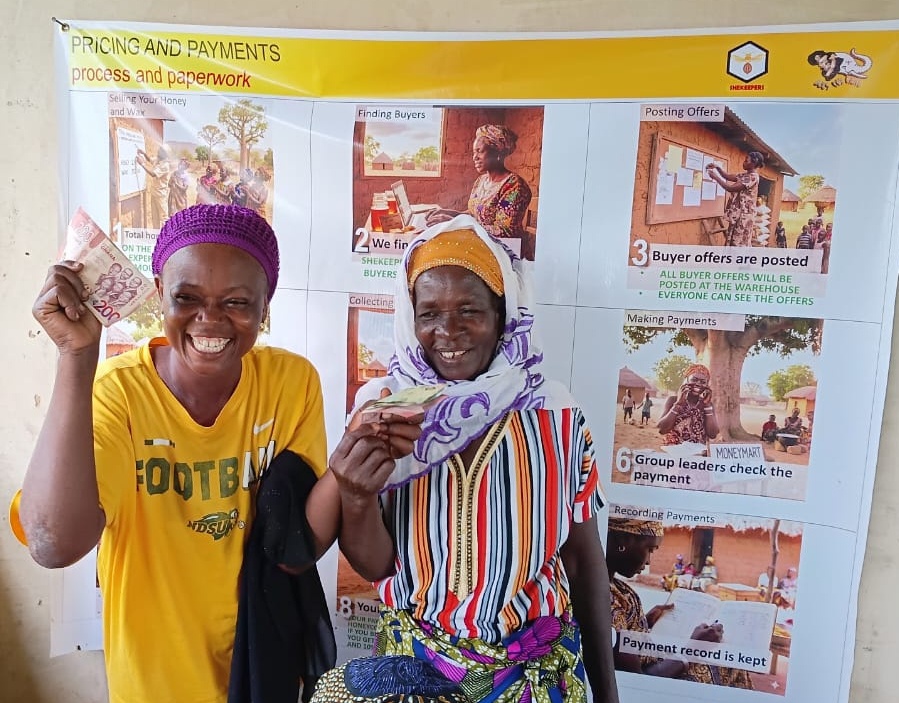
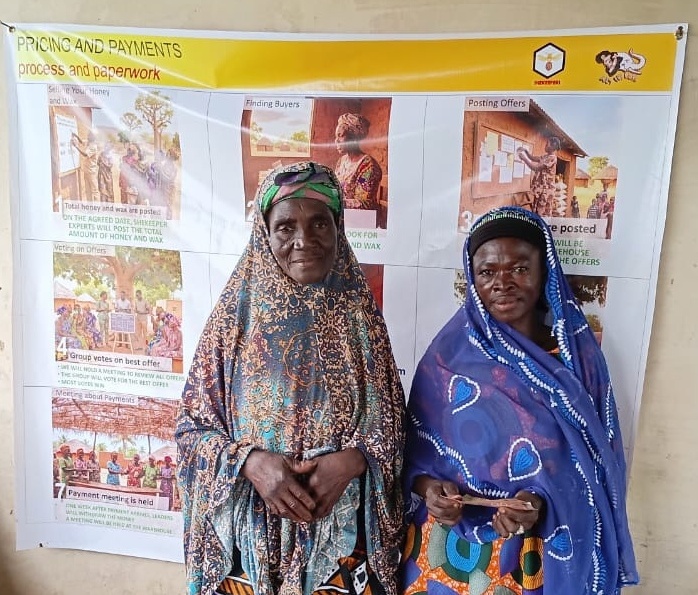
Project participant (receiving her portion of harvesting proceeds) in front of harvest protocols poster
Project pricing and payments process and paperwork poster
Copies of protocol posters are available for download on our publications page.

Each community received a laminated printed set of training poster materials, updated after sessions with photographs of their own participants — a detail that proved meaningful for groups with limited literacy.

Training during the Ramadan fasting period required practical adjustment: budgeted lunch funds were combined with transport allowances and distributed directly to participants (100 cedis per person in total).

The Dibbisi community held a general meeting to display the beekeeping equipment provided to their group — a sign of growing community ownership of the program.


Harvest Protocol Reinforcement

Video review of harvesting sessions allowed remote project advisors to identify protocol issues in near-real-time. Two areas were reinforced:
 
poster_finger_licking_good.jpg
2026-04-29_bee_bread_frame_inspection_close_up.jpg
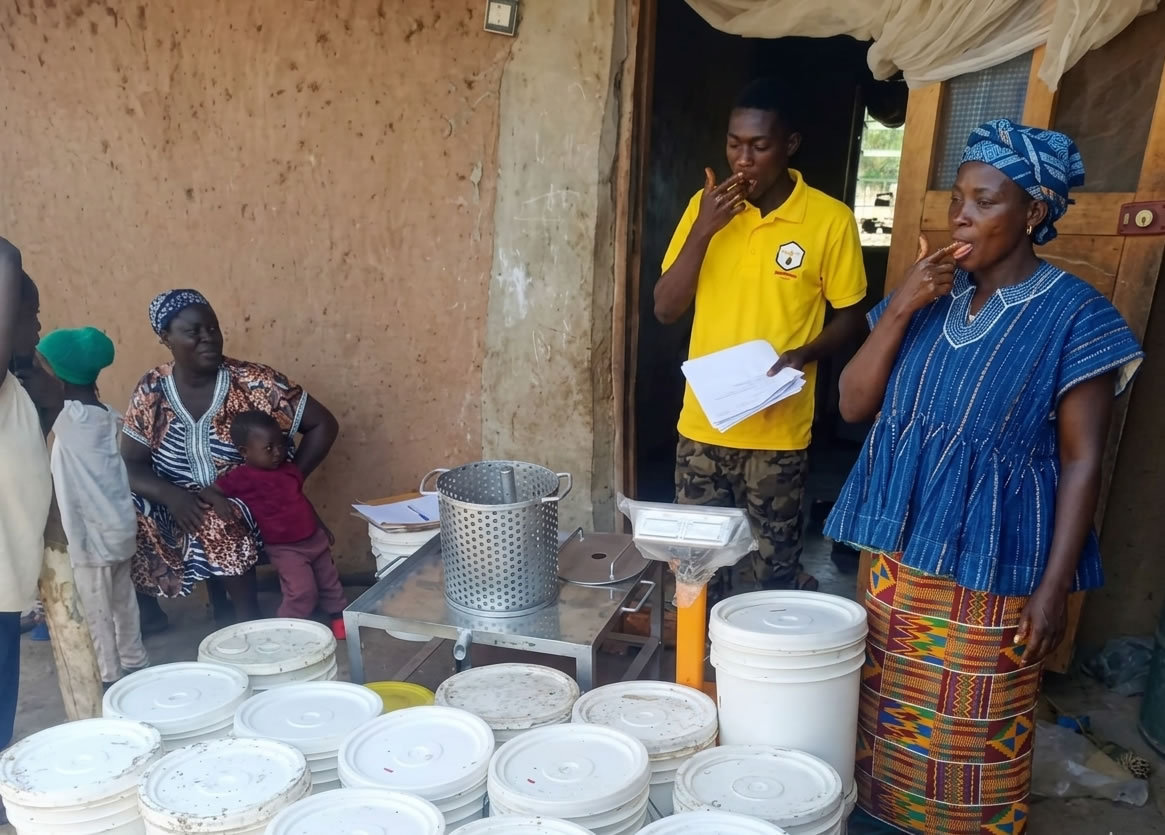
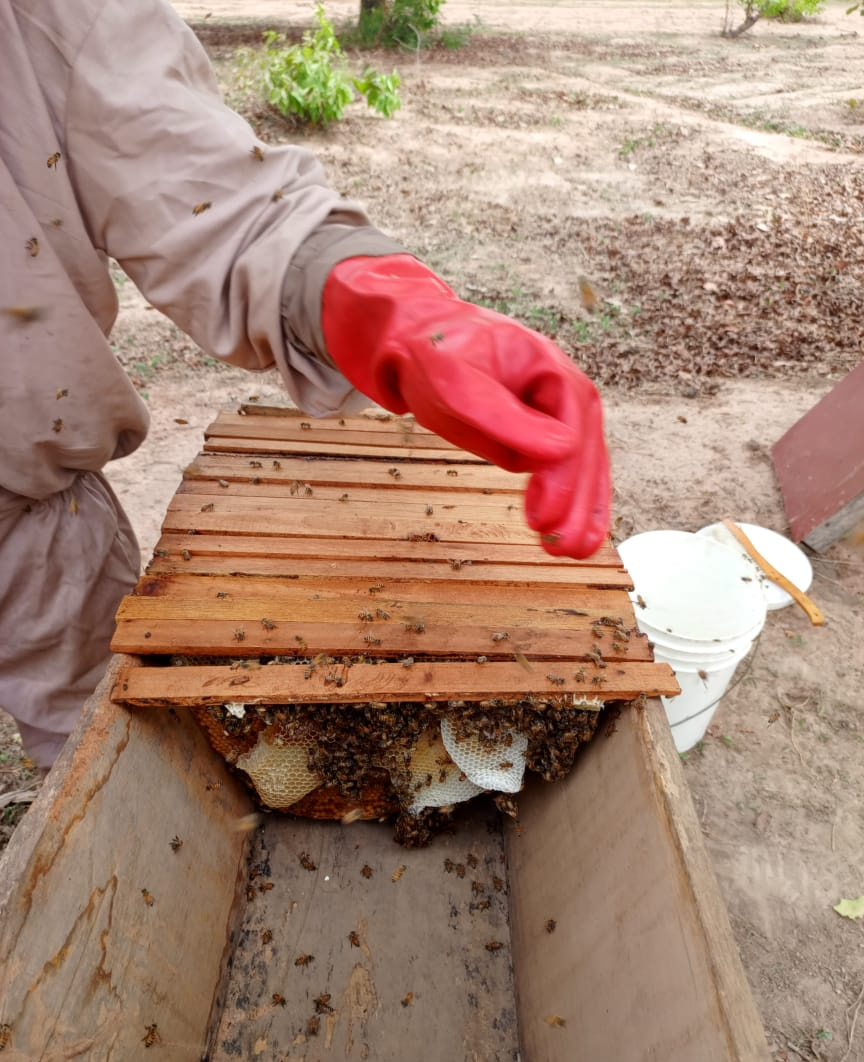
Hygiene: Harvesters were reminded don't haste to taste during processing — and to ensure proper food safety by sealing all buckets, before sticky fingers get their licking. Comb selection: Some comb containing brood (developing bees) or bee bread (packed pollen — the colony's protein store) was observed being removed during harvest. Leaving these combs in the hive is fundamental to colony health. A colony that loses too much brood or food stores may struggle to recover and could abandon the hive. The guiding principle reinforced: when in doubt don't take it out.
 
2026-04-28_beekeeper_holding_honeycomb_frame.jpg
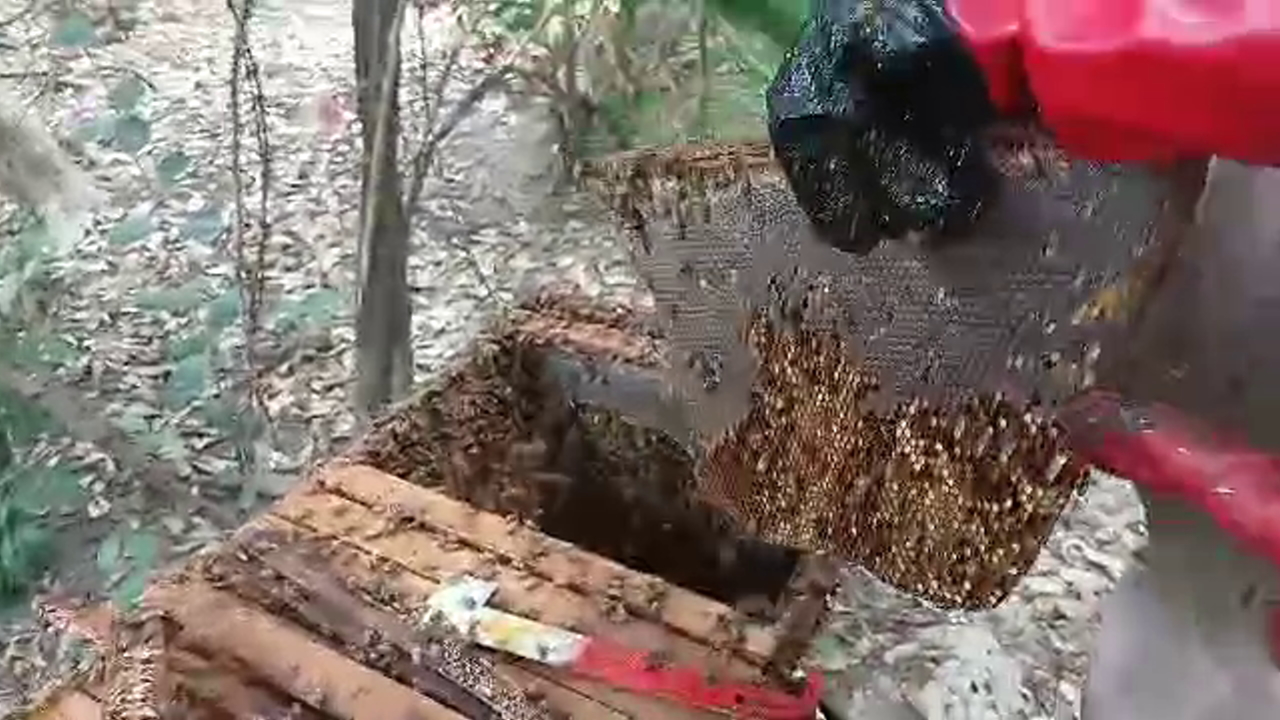
2026-04-14_hive_inspection_frame_removal.jpg
Proper comb assessment: identifying honey comb versus brood comb before harvest
Careful frame-by-frame inspection protects the colony while maximising harvest
 

Protective Gear & Field Practice

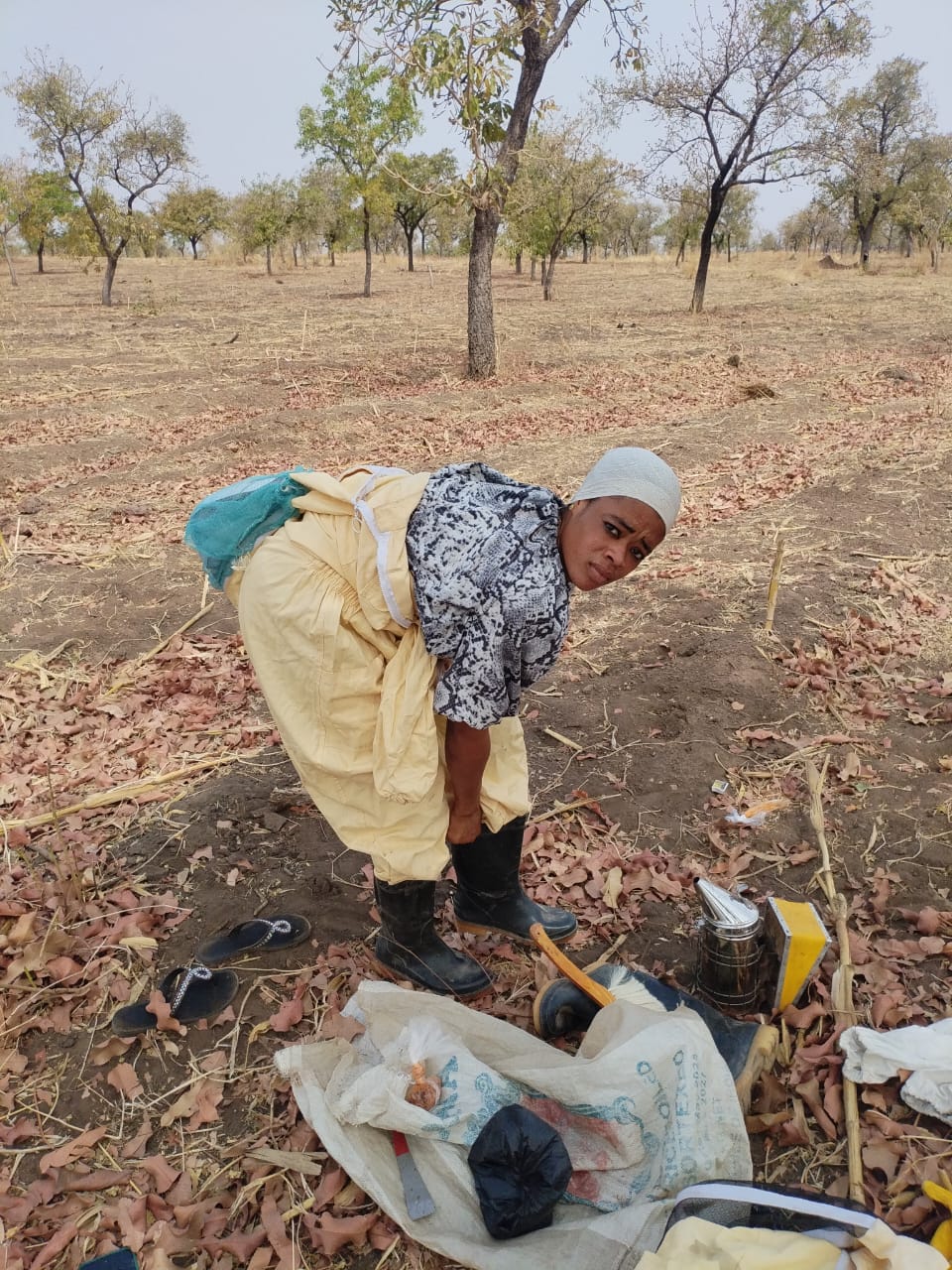
2026-03-07_101537_woman_beekeeper_ppe.jpg
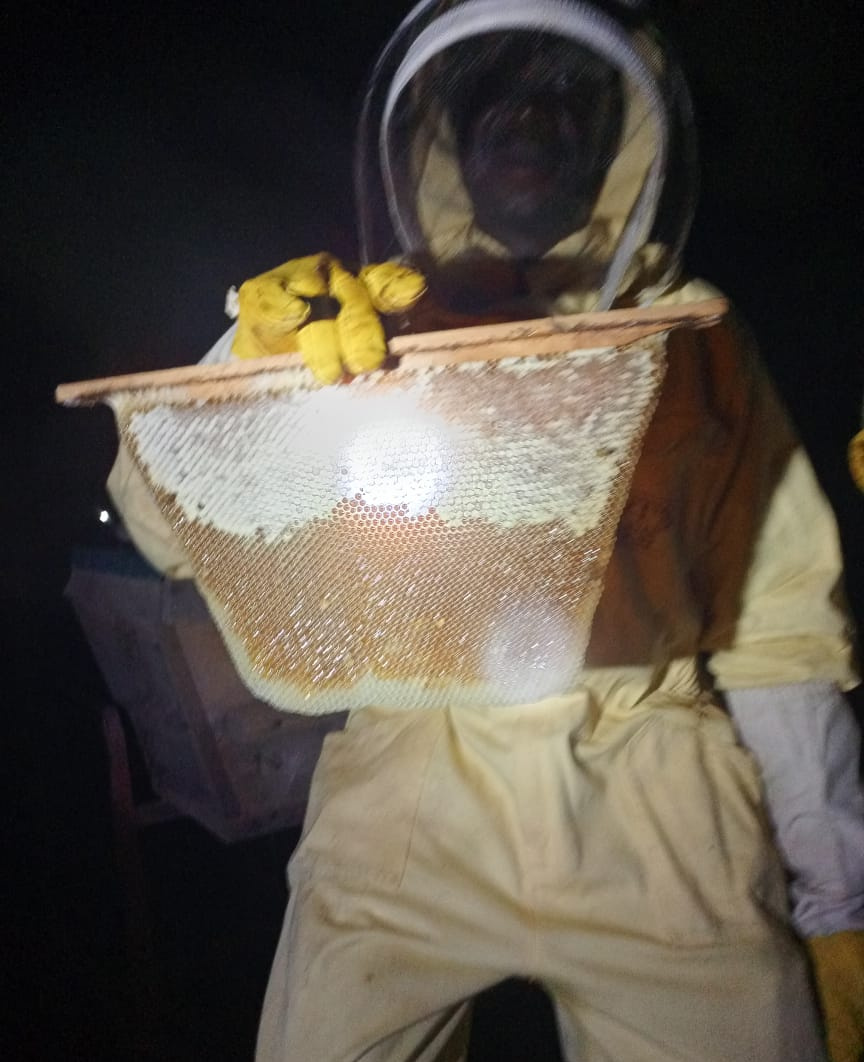
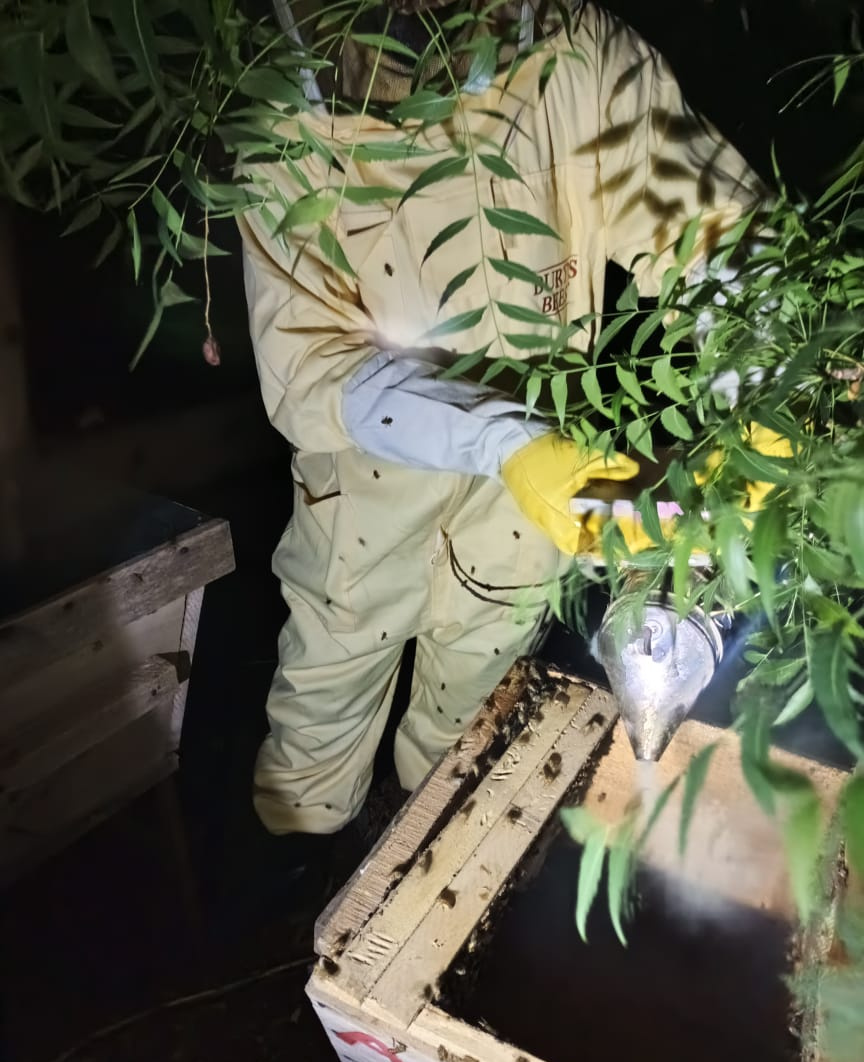
2026-04-28_nighttime_hive_inspection_protective_gear.jpg
Woman beekeeper putting on full PPE Nighttime hive inspection, protective gear
 
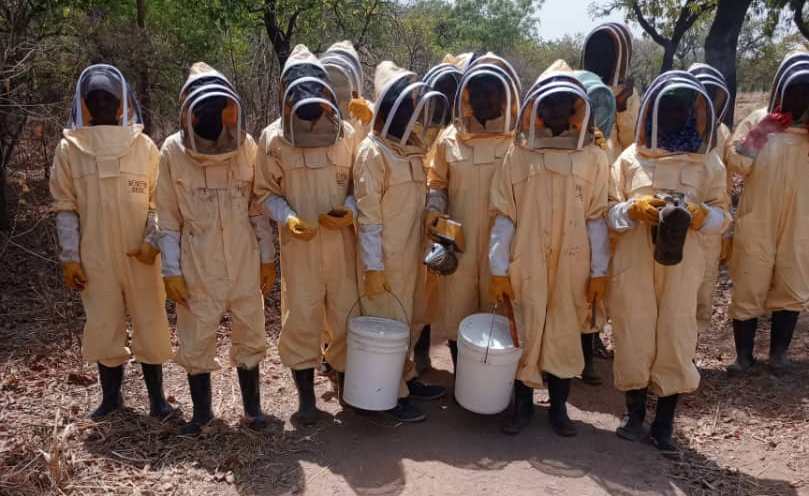
2026-03-04_154448_beekeepers_in_protective_gear.jpg
Beekeepers in protective suits
 
Harvest visits to Zua and Yama area communities documented CBTs in full protective gear conducting both daytime and nighttime harvests — an encouraging sign of protocol adoption. Cross-community mentoring also occurred, with Zua CBTs assisting operations at the Chera processing facility.
 

2026 Harvest Results

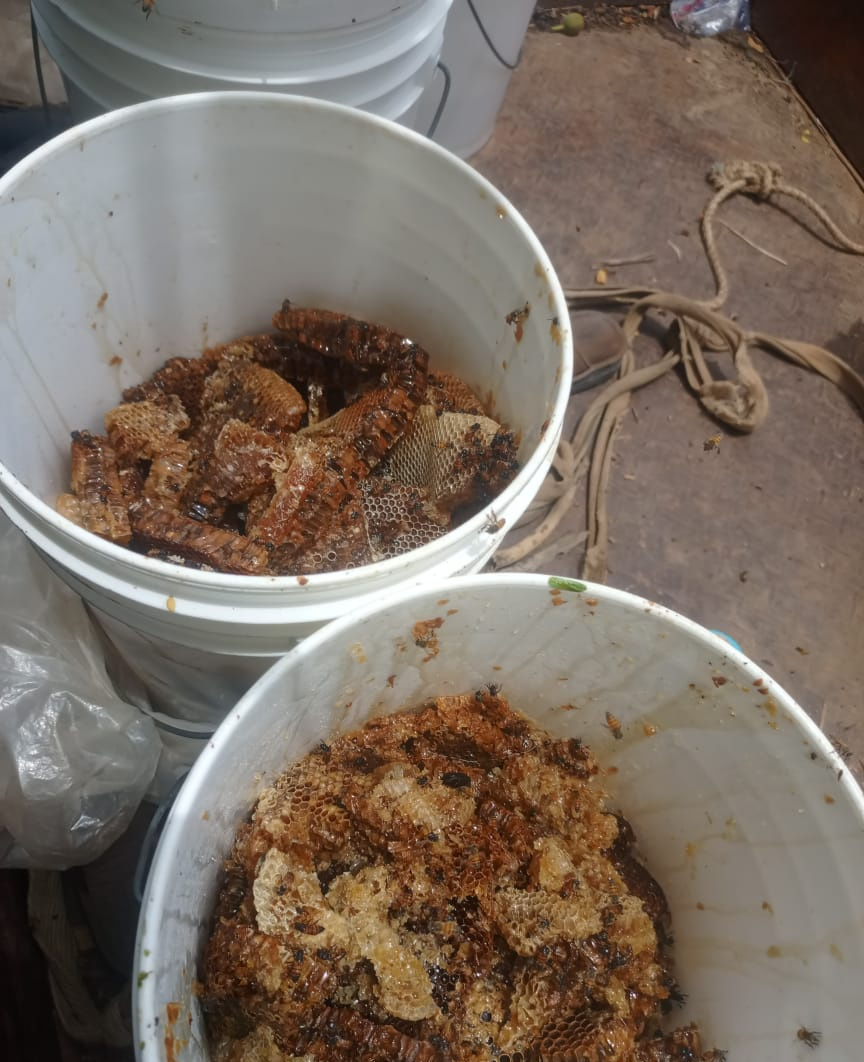
2026-04-30_harvested_honeycomb_buckets.jpg
2026-04-06_040119_honey_storage_training_press.jpg
Harvested honeycombs, Yama area
Harvested honeycomb in buckets
 
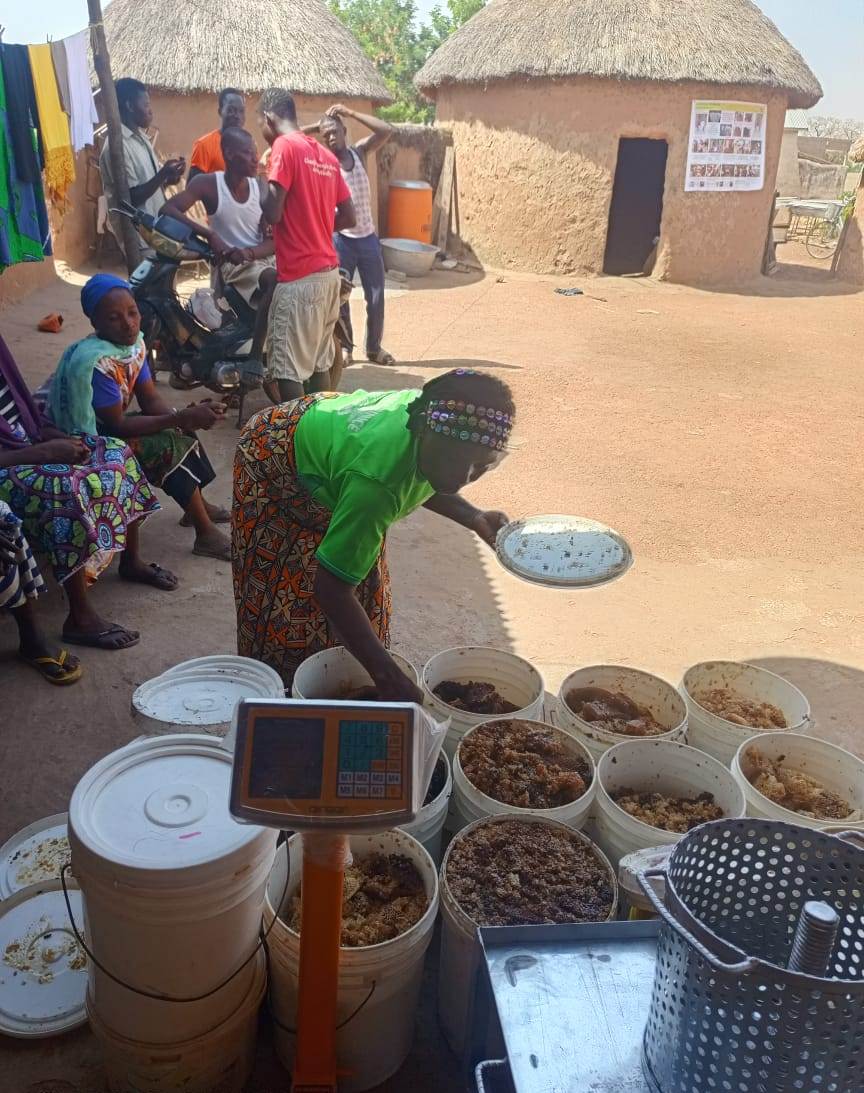
Harvesting activity spanned the Tamale area (six communities) and the Yama area of the North East Region, with field teams travelling between sites to provide hands-on support. The season saw colonies produce well, with field reports noting that all newly colonised hives had produced honey sufficient for both the beekeeper and the colony itself — a positive sign for future productivity.
 

Honey Colour & Quality

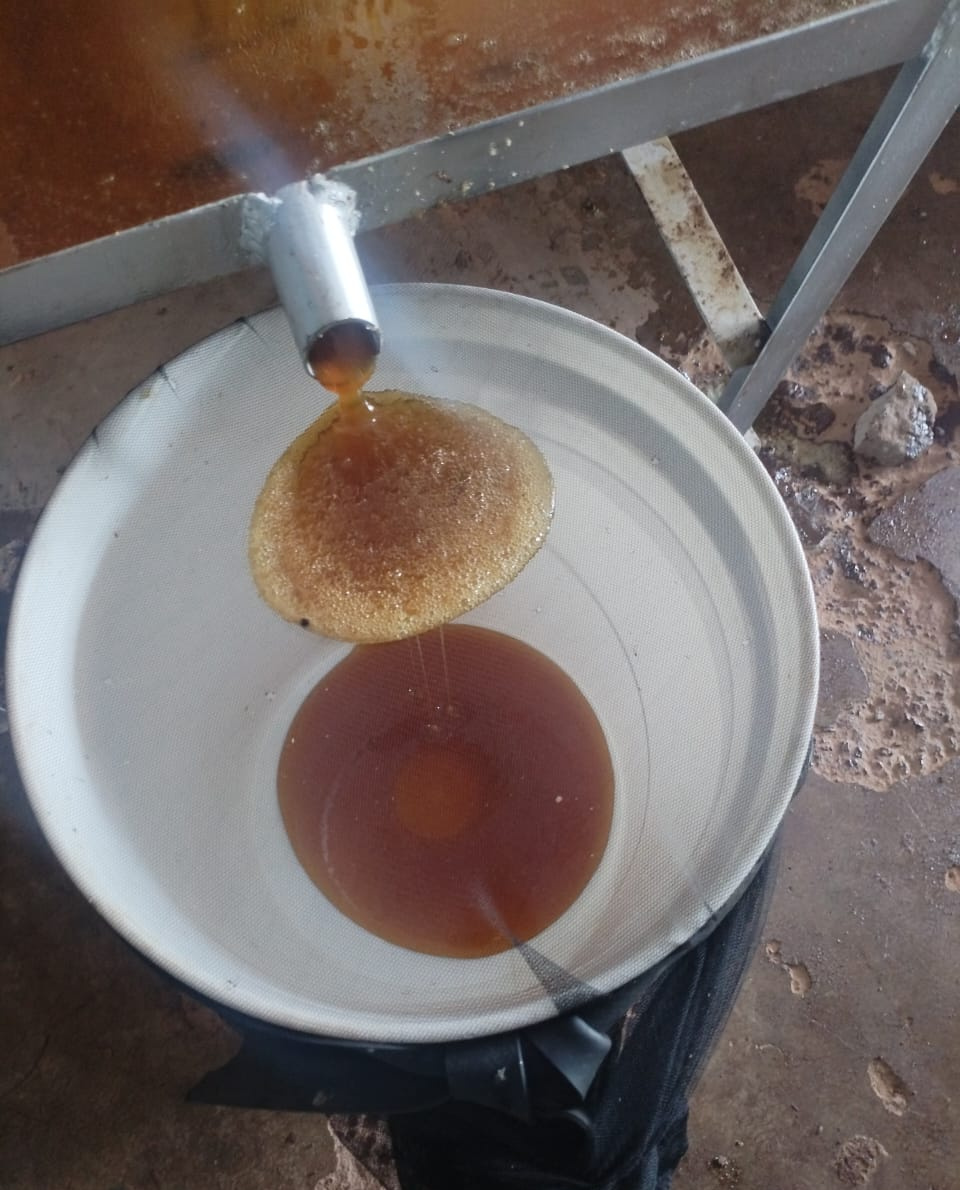
2026-05-02_honey_extraction_filtering.jpg
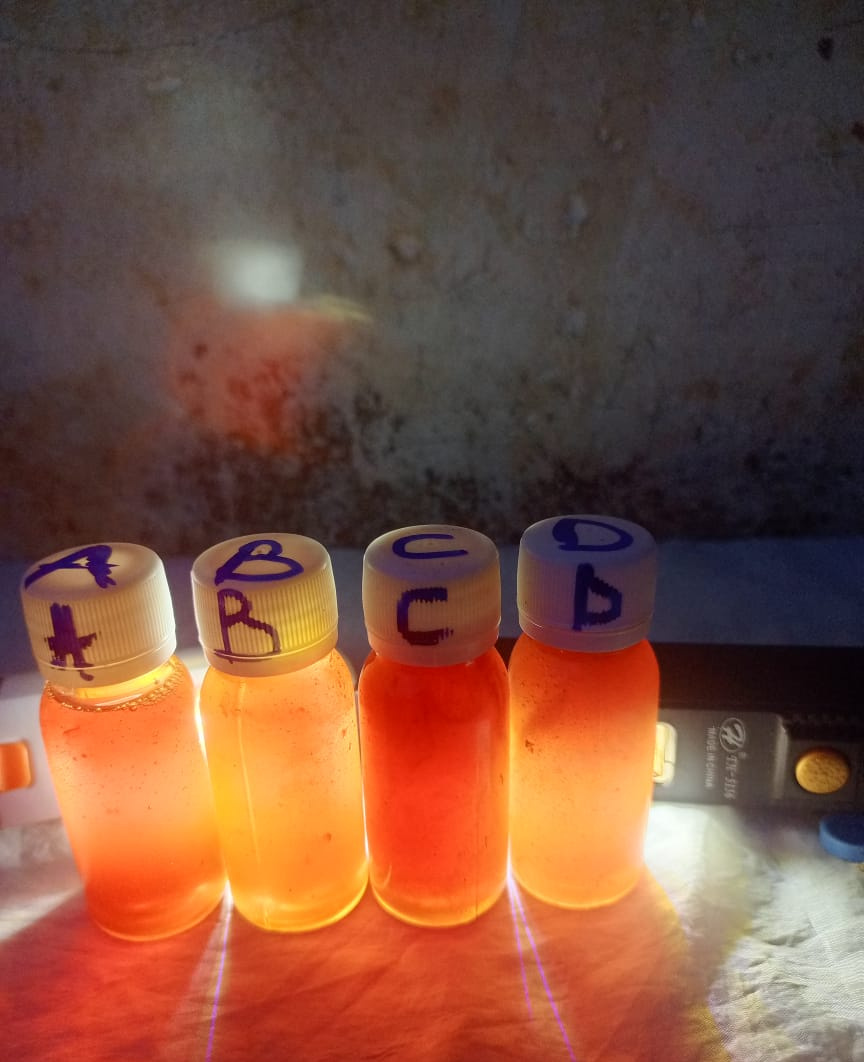
2026-04-30_honey_samples_graded.jpg
Honey being filtered as it drains from honeycomb press
Honey samples sorted by grade and colour
 
The season produced honey ranging from light yellow through yellowish-brown to dark brown — a natural variation reflecting the diverse floral sources available to bees in Northern Ghana's savanna landscape, including shea and other flowering trees. Buyers were shown samples sorted by colour and grade, allowing them to select based on market preference. The project continues to champion selling honey by weight (kilograms) rather than by volume (litres), an important safeguard against the adulteration that has historically undermined confidence in Ghanaian honey.
 

Beeswax Processing

2026-03-31_092446_beeswax_melting_cauldron.jpg
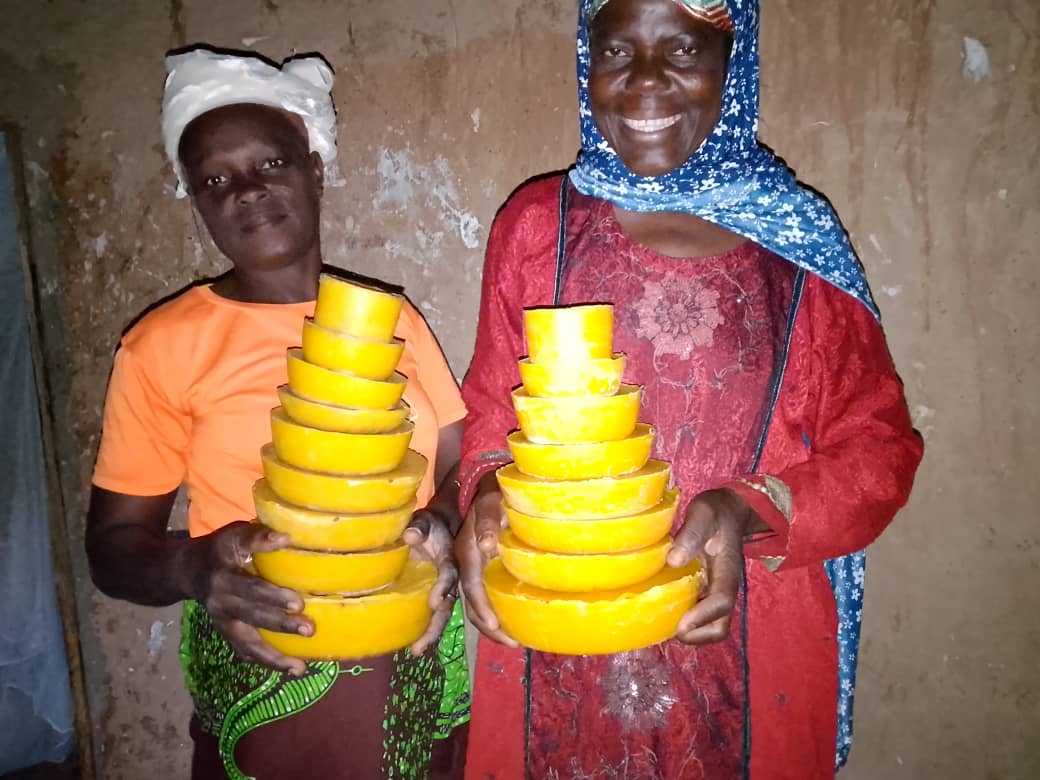
2026-04-03_011128_women_with_beeswax_ingots.jpg
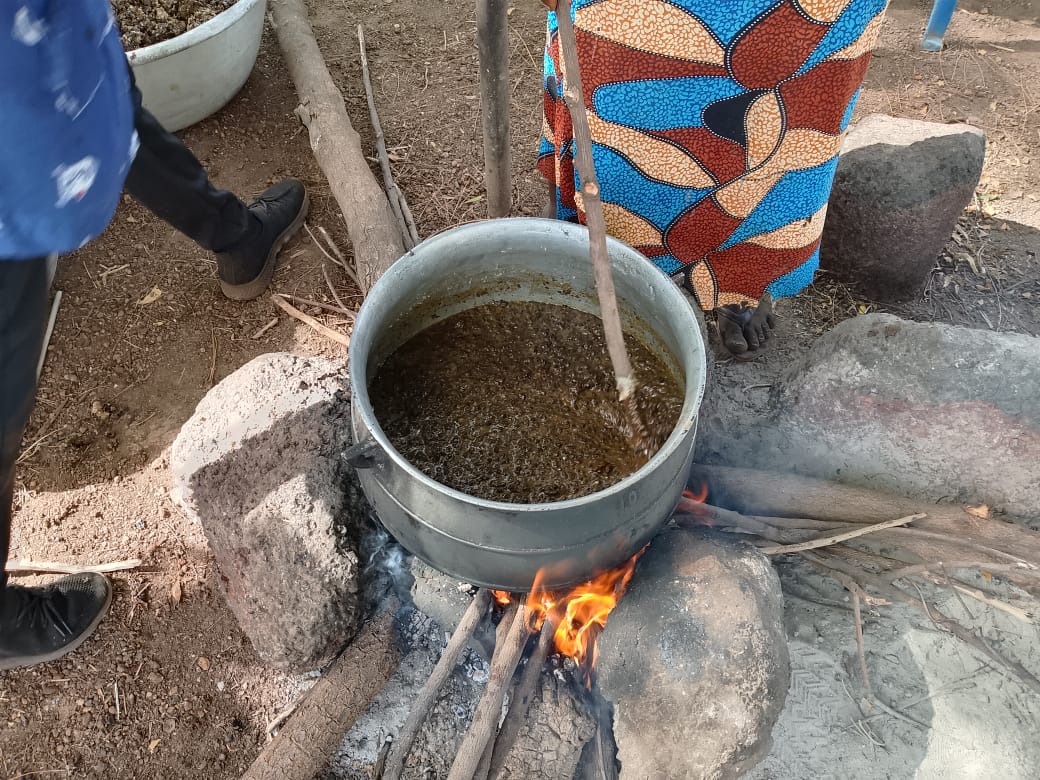
Beeswax melting in cauldron over fire
Project participants with rendered beeswax ingots
 
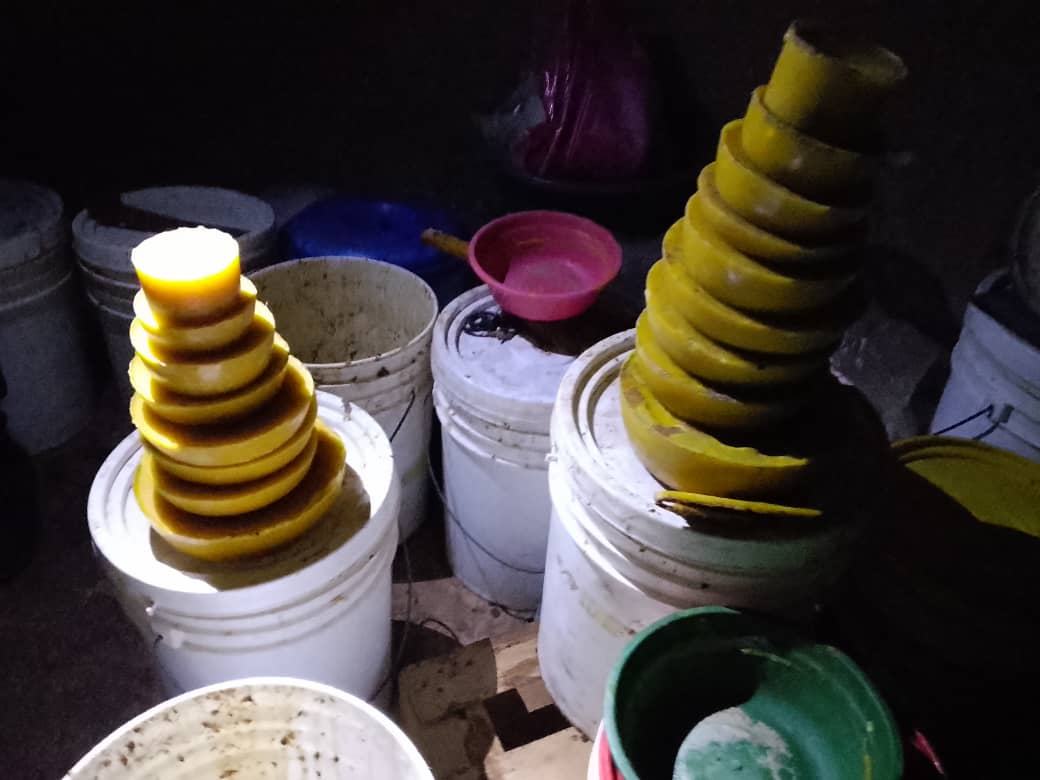
2026-04-03_011129_beeswax_ingots.jpg
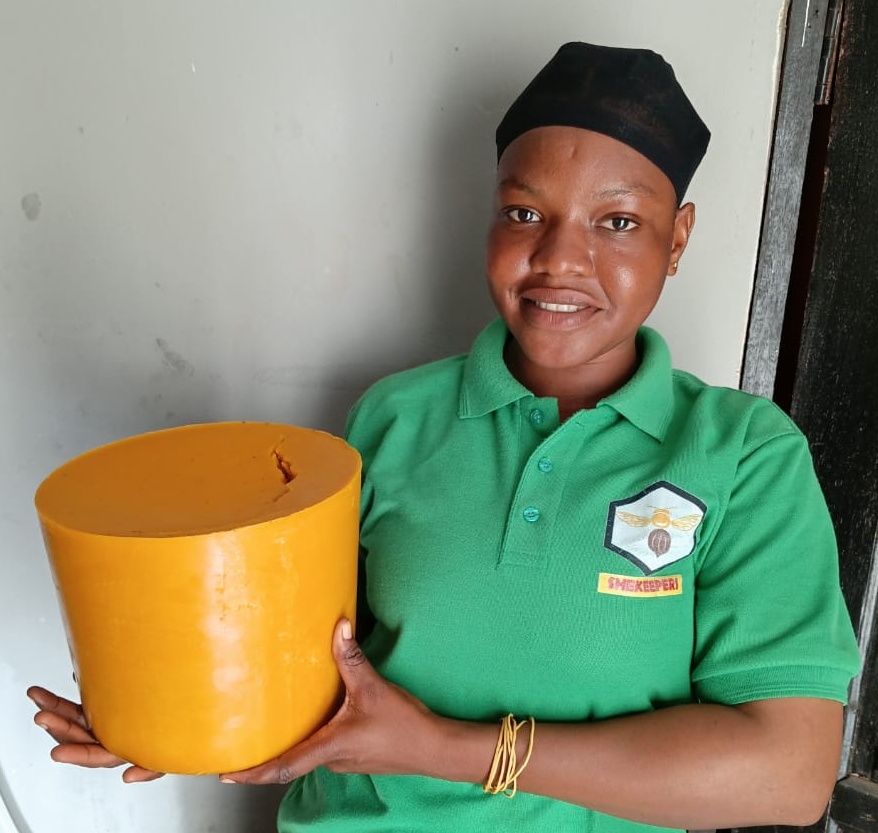
2026-06-05_cbt_large_beeswax_ingot.jpg
Beeswax ingots
Exemplary cleaned beeswax ingot
 
Beeswax extraction and processing continued in parallel with honey sales, at Sorigu and Yama Honey Extraction Centres. Processing sessions — documented both day and night — involved CBTs from multiple communities working together. Zua contributed 5.35 kg of beeswax to the season's total; combined Tamale-area wax production reached 46 kg, sold at 80 cedis/kg.
 

Sales & Pricing — A Milestone Season

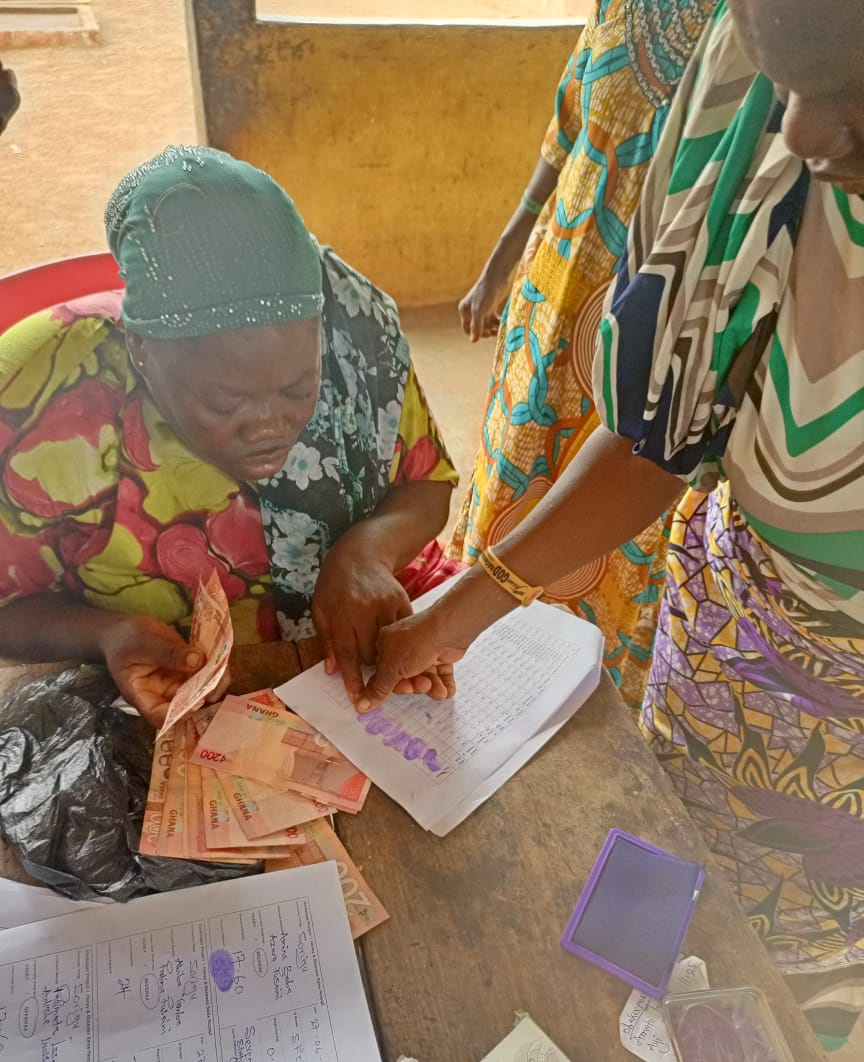
2026-06-27_beekeeping_payment_documentation.jpg
2026-06-27_payment_documentation3.jpg
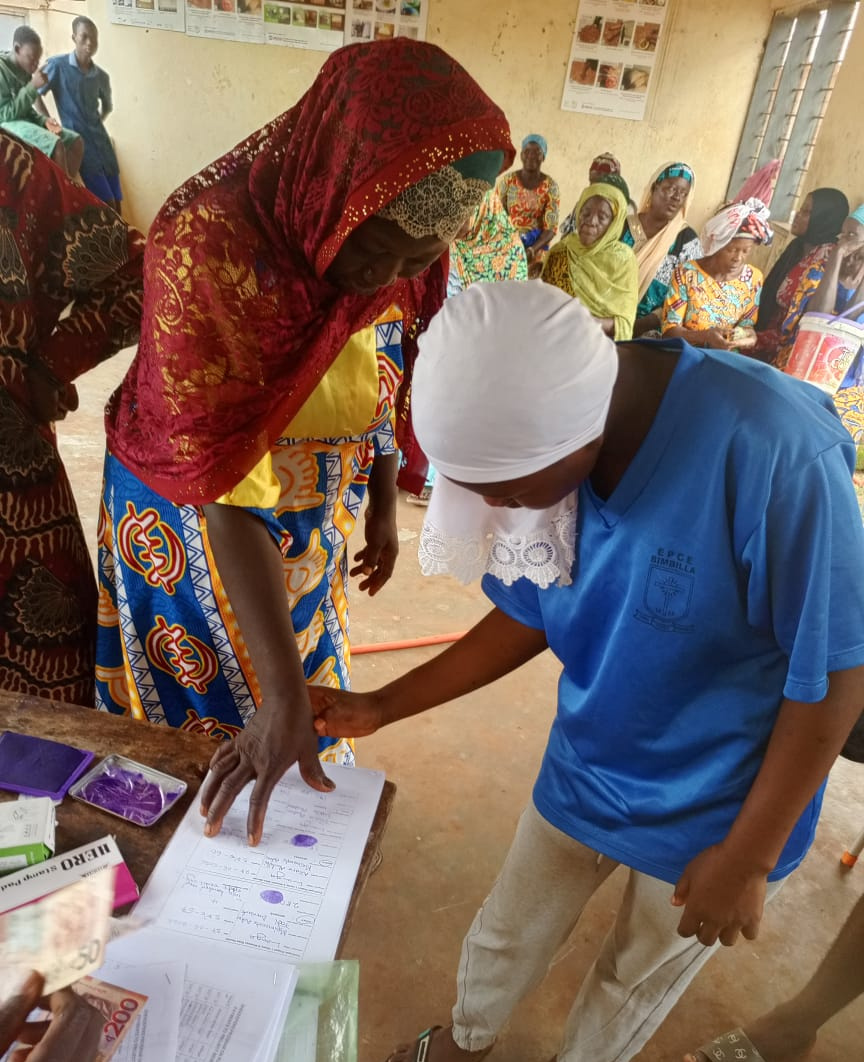
Documentation of payments to project participants
   
2026-06-20_women_with_pricing_poster.jpg
2026-06-20_honey_pricing_payment_training.jpg
Project payment recipients
 
The 2026 season marked a significant pricing breakthrough. By negotiating competitively with multiple buyers — rather than accepting the first offer as in previous years — the program achieved a price of 70 cedis (~$9 CDN) per kilogram of extracted honey. This compares favourably with approximately 48 cedis (~$6 CDN) per litre in the prior year (roughly a doubling in effective price when accounting for the switch to weight-based sales). Field teams credited the improvement to accumulated bargaining experience and a principled refusal to allow Accra-based buyers to dictate terms.
 
The SheKeeper project continues to demonstrate that with proper support, training, and community engagement, women in Northern Ghana can successfully develop beekeeping as a sustainable income source alongside their traditional shea collection activities.


/babarlogo5.jpg
mognori_hive_roofs.jpg
donate2.jpg
20180215seidu_traing.jp
/training_resources.jpg
bees_chasing_elephant.gif

bees for babar index

guiding principles

donation options

photos and background
publications and resources
videos